
Article Directory
The AI Chip Game: Rigged, Obsolescent, and Heading East?
Alright, let's talk about the future, or what passes for it these days. You know, the one where every tech giant is screaming about AI and how it’s gonna change everything, while simultaneously playing a high-stakes game of global whack-a-mole with their own hardware. I gotta tell ya, the whole thing feels less like progress and more like a fever dream fueled by venture capital and geopolitical paranoia.
First up, we got CHIPX, some Chinese firm, rolling out what they’re calling the world's first scalable, industrial-grade optical quantum computing chip. A quantum chip, folks! They’re claiming it’s a thousand times faster than Nvidia’s top-tier GPUs for AI tasks. A thousand times! And it’s already deployed in aerospace and finance, apparently. They say it uses some fancy co-packaging tech, squishing over a thousand optical components onto a tiny silicon wafer. And get this: systems with these chips can be deployed in two weeks, not six months, and scale up to a million qubits. Sounds like magic, doesn’t it? Like they just waved a wand and poof, instant quantum supremacy.
My gut, though, and frankly, my brain, is screaming, "Hold up!" We’re supposed to believe China just leapfrogged everyone, including Nvidia who’s been dabbling in this optical stuff for years, and delivered the holy grail of computing? Right when they’re desperate to outmaneuver US chip restrictions? Call me a cynic — go on, I dare ya — but this whole thing smells like a carefully orchestrated PR blitz designed to make everyone else feel like they’re still playing with abacuses. Are these claims verifiable by anyone who isn’t on CHIPX’s payroll? Or is this another one of those "trust us, bro" moments that the tech world is so fond of? It’s like a new band claiming they’re bigger than The Beatles before they’ve even sold out a club gig. We’ve seen this movie before, haven’t we?
The Great Chip Smuggle and the Depreciation Derby
Now, while China’s busy claiming quantum victory, the US is still playing catch-up, or so it seems. Or maybe it’s just a massive game of pretend. A Wall Street Journal investigation — bless their tenacious souls — just traced 2,300 top-shelf Nvidia Blackwell AI chips, the kind that cost an arm and a leg, right back to China. How, you ask? Through an Indonesian telecoms provider, Indosat Ooredoo Hutchison, no less. These chips started their journey from Nvidia, got bought by a Silicon Valley server manufacturer called Aivres — whose parent company is partly owned by Inspur, a Chinese firm that’s been on the US trade blacklist since 2023 for military ties. Then Aivres sold 'em to Indosat for a cool hundred million, and Indosat, surprise, surprise, found a client in Shanghai-based AI startup INF Tech. The servers were delivered to China last October, destined for AI model training.
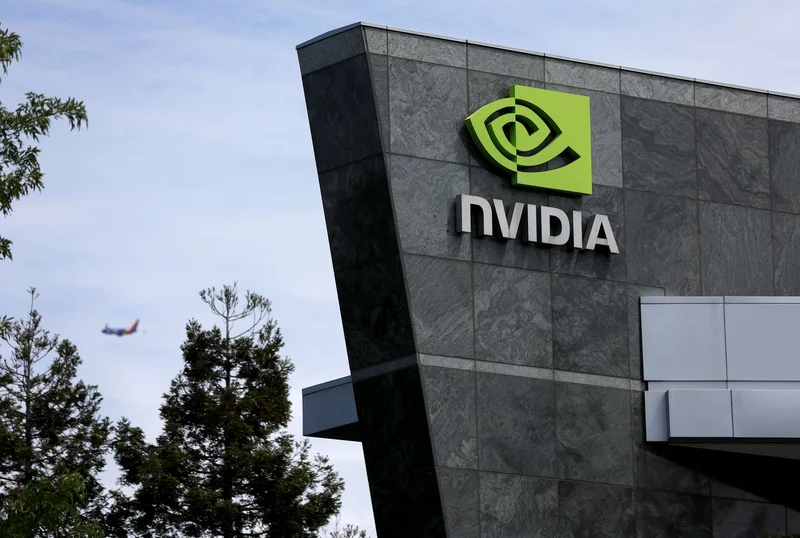
And offcourse, everyone involved is doing their best impression of innocent bystanders. INF Tech says no military research, complies with US export controls. Indosat CEO confirms compliance. Lawyers familiar with export controls even say this whole daisy chain "comports with current US export restrictions." Comports. Comports! Give me a break. That’s corporate-speak for "we found a loophole big enough to drive a server rack through." It’s like saying a guy who sold a stolen car to a fence, who then sold it to an unwitting buyer, "comports" with not being a thief. It just means the letter of the law is a sieve. This ain't about legality; it's about intent, and the intent here is as clear as a bell: China wants those chips, and they'll find a way to get 'em, no matter how many hoops, or how many Indonesian middlemen, they gotta go through.
But here’s the kicker, the part that really grinds my gears: the insane depreciation of these things. Michael Burry, the "Big Short" guy, is out there saying companies are overstating the useful life of these AI chips, claiming it's more like 2-3 years, not the 5-6 years giants like Google, Oracle, and Microsoft are putting down on their books. Even Amazon just shaved a year off its server depreciation for AI/ML. Nvidia CEO Jensen Huang himself joked that once the new Blackwell chips ship, "you couldn't give Hoppers away." Think about that. We're in a tech gold rush where the gold itself turns to lead faster than you can mine it. It’s like buying a brand-new car, driving it off the lot, and watching its value plummet by 50% before you even hit the highway—except this car cost a billion dollars and is supposed to power the future.
Microsoft CEO Satya Nadella even admitted they’re spacing out AI chip purchases to avoid overinvesting in a single generation. Can you imagine? The head of one of the biggest tech companies in the world is essentially saying, "Yeah, we're scared of buying too much gear that'll be obsolete next year." It’s a perpetual treadmill, isn't it? Nvidia releases new chips annually now, not every two years. AMD's following suit. This isn't innovation; it's engineered obsolescence on steroids, designed to keep the money flowing into their coffers, regardless of whether it makes economic sense for anyone else. Then again, maybe I'm the crazy one here for thinking long-term investment in tech should actually... last.
The Whole Damn System is a House of Cards
So what are we left with? China claiming a quantum leap while simultaneously finding creative ways to circumvent US sanctions for current-gen AI chips. The US government, under Trump, apparently opted not to enforce stricter Biden-era controls on sales to China, leaving the due diligence to companies who clearly have a profit motive to look the other way. It's a mess. A complete, utter, unholy mess. This isn't a race for technological superiority; it's a frantic, desperate scramble where no one's playing by the rules, and the finish line keeps moving. The entire AI infrastructure, built on these rapidly depreciating, soon-to-be-obsolete chips, feels less like a solid foundation for the future and more like a house of cards built on sand. And we're all just standing here, watching the wind pick up, aren't we?